
Advice from the Bench: 30 Years of Woodworking Wisdom
If there’s one piece of advice I wish I’d gotten when I started woodworking 30 years ago, it’s this: buy the best tool you can afford right now. Don’t wait for some far-off day when you can afford the “best” tool on the market. The goal is to start building, not to start collecting brochures for tools you don’t yet own.
I learned this lesson the hard way. About fifteen years ago, I became convinced that being a good woodworker meant investing in pro-level, top-shelf tools that would last a lifetime. Like many, I was drawn to the prominent advertising and reputation of Festool. I bought into the dream, and over time, I accumulated nine different tools from their lineup.
Today, seven of those nine Festools are broken in one way or another.
This expensive experience taught me a crucial truth: a high price tag doesn’t always mean high-quality construction. With Festool, you’re paying for above-average dust collection and above-average accuracy, but mid-range quilty for a top-quality price. Accuracy and dust collection are great features, but do not necessarily justify the high price tag for lower-durability tools. In many cases, you might be buying a mid-grade tool that isn’t drastically better than what you can find at a big box store.
Here’s the real secret: skill trumps equipment. A highly skilled woodworker can overcome the limitations of a less-accurate tool from a place like Harbor Freight and still produce beautiful, quality work.
So, my recommendation is this: instead of sinking all your money into a single “premium” tool, start with more affordable versions. Build out a complete workshop that gives you the options and versatility to tackle the projects you’re passionate about. Then, as your skills grow, your business expands, or a tool breaks, you can replace it with the best version you can afford at that time.

My Essential Tool Picks for New Woodworkers
Based on my three decades at the bench, here’s where I’d suggest you focus your initial budget, regardless of brand:
- Table Saw: You don’t need a top-tier cabinet saw. A solid contractor-style saw is a perfect starting point. Ensure it has two critical features: 1) an arbor that accepts a dado stack for cutting grooves and rabbets, and 2) standard 3/4″ miter slots. This allows you to upgrade to a precision miter gauge like an INCRA, which will massively improve your accuracy.
- Handsaw: A good Japanese pull saw (a Dozuki is fantastic) is invaluable. It makes fast, accurate cuts in rough material and is exquisite for fine joinery. The price-to-quality ratio is unbeatable.
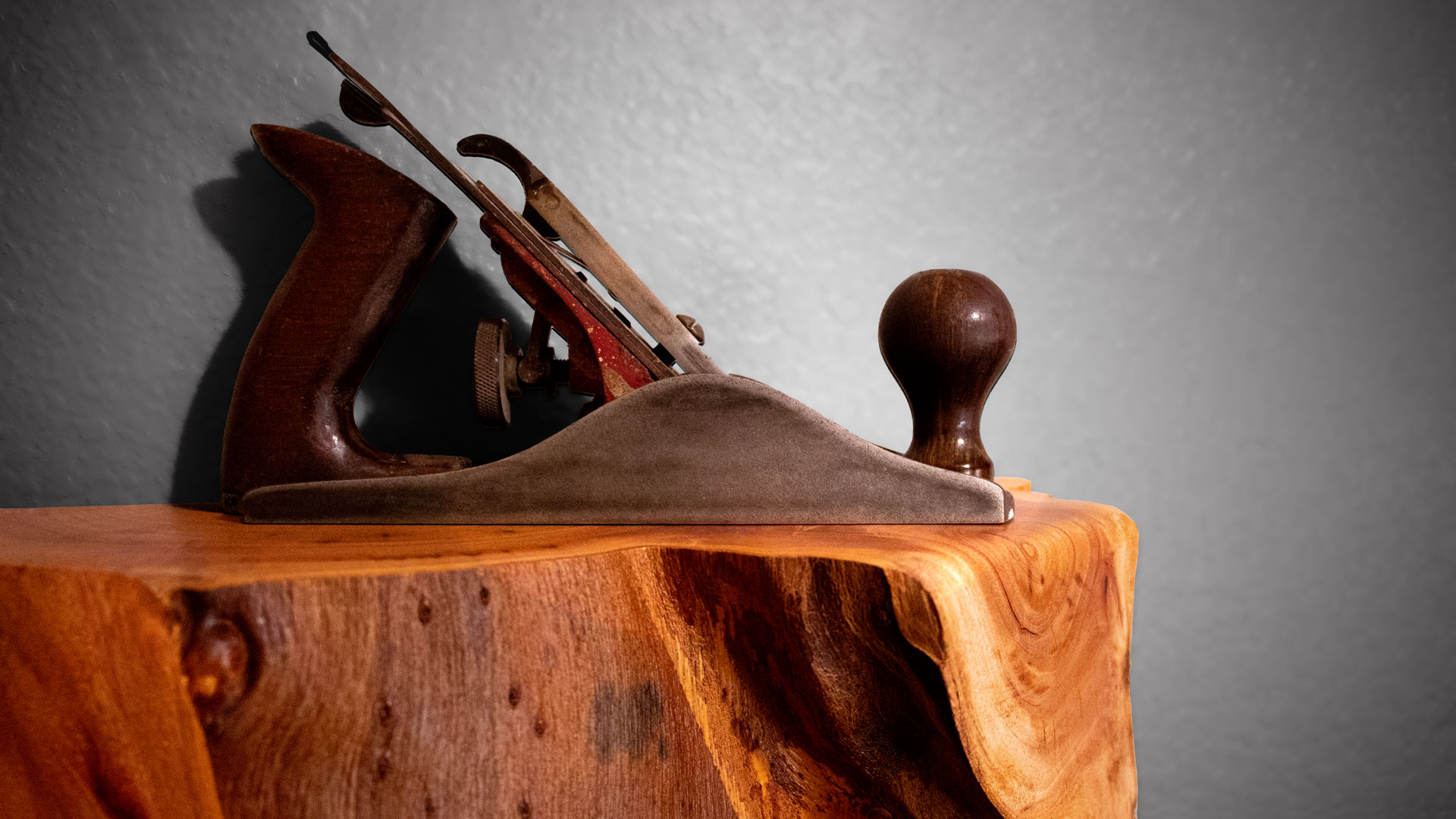
- Handplane: If you start with just one, make it a low-angle jack plane. It’s the most versatile plane for a multitude of tasks.
- After a low-angle Jack, I would invest in a block plane, then a rabbet plane.
- Sander: Avoid the standard square-style orbital sander. They’re cheap and nostalgic but notorious for leaving swirl marks. Invest in a good random orbit sander with a dust port that hooks to a shop vac. Removing dust as you work is the key to a glass-smooth finish and clean air for your lungs.
- Combination Square: This is the one thing I tell everyone to spend top dollar on. Good work starts with a good layout. A precision square ensures your tools are set up correctly and your cuts are true. If things aren’t square, your joinery will have gaps.
- Starrett squares are my go-to; very accurate, they hold their setting, and are built from quality stainless steel. Avoid overpriced squares such as woodpeckers, as they are made from soft aluminum and will dent from use.
- Bench Chisels: A quality set of chisels in standard sizes (1/4″, 1/2″, 3/4″, 1″) is essential for cleaning up joints and fixing mistakes. They are an extension of your hands.
- Sharpening Stones: Sharp tools are the first key to success. I prefer water stones over oil stones; they’re easier to use and won’t leave oily smudges on your work. If your budget allows, ceramic stones cut faster and last longer.
Remember, woodworking is a journey. Start with capable tools, invest in your skills, and upgrade your shop as you grow. The most important tool in your shop will always be the one you use.

I’m the owner of Benham Design Concepts, a mixed media art studio where I design and build custom furniture and other works of art using wood, glass, stone, and various metals.
In this blog, I talk about the art I create, my journey, and the things I learn along the way.